
 +0866415228
Vietnam Food Ingredients: A Guide to Sourcing Food Ingredients from Vietnam
Vietnam Food Ingredients | Sourcing Guide
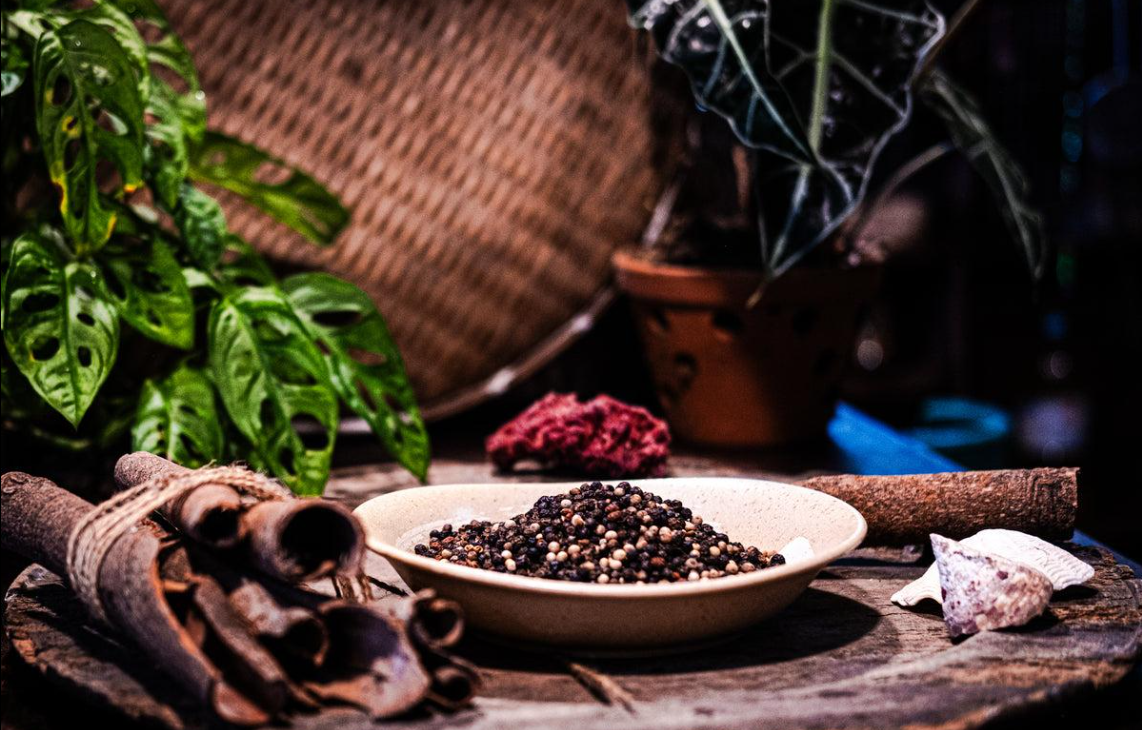 Vietnam has become an important sourcing market for food ingredients and agricultural products in Asia. With diverse agricultural resources, a growing food processing industry, and convenient access to major Asian markets, Vietnam offers a wide range of ingredients for food manufacturers, distributors, and trading companies.
For international buyers, sourcing food ingredients from Vietnam is not only about finding competitive prices. Product quality, specifications, origin, packaging, documentation, production capacity, and export experience are also important factors when selecting a reliable supplier.
This guide provides an overview of food ingredients that can be sourced from Vietnam and key factors to consider when working with Vietnamese suppliers.
1. Vietnam's Food Ingredient Industry
Vietnam has a strong agricultural base and produces a wide variety of crops, spices, vegetables, and other agricultural products.
These resources support both domestic food production and the growing export industry. Many Vietnamese products are processed into forms that are more convenient for international food manufacturers, including dried, powdered, sliced, and processed ingredients.
Common categories of food ingredients available from Vietnam include:
- Spices and seasonings
- Dried vegetables
- Agricultural products
- Food ingredients
- Food additives
- Plant-based ingredients
- Processed and powdered ingredients
Depending on the product, buyers can source ingredients for applications such as sauces, seasonings, instant foods, processed foods, beverages, and other food manufacturing processes.
2. What Food Ingredients Can Be Sourced from Vietnam?
Spices
Vietnam is well known for its agricultural and spice products. Cinnamon and black pepper are among the major ingredients available for international sourcing.
Depending on the application, products may be supplied in different forms, such as whole, broken, ground, or powdered products.
Buyers should consider specifications such as appearance, moisture, particle size, aroma, and other quality requirements according to their intended application.
Dried Vegetables
Dried vegetables are widely used in food manufacturing because they offer convenient storage and transportation compared with fresh vegetables.
Vietnamese suppliers can provide various dried vegetable products in different forms, including dried slices, flakes, or other processed formats.
Dried vegetables can be used in instant foods, seasonings, sauces, soups, and other processed food products.
Food Ingredients and Food Additives
Vietnam also has a growing supply base for food ingredients and food additives used in food manufacturing.
These products may include starch-based ingredients, seasonings, extracts, functional ingredients, and other ingredients used to improve taste, texture, stability, or processing performance.
For technical ingredients, buyers should pay particular attention to product specifications, application, recommended usage, and required documentation.
3. Why Source Food Ingredients from Vietnam?
Diverse Agricultural Resources
Vietnam has a wide range of agricultural products due to its different geographical and climatic conditions. This creates opportunities for buyers looking for various food ingredients from a single sourcing market.
Competitive Sourcing Opportunities
Vietnam offers a broad supplier base across agricultural and food processing industries. Depending on product specifications and order volume, buyers may find suitable sourcing options for different market requirements.
Convenient Access to Asian Markets
Vietnam's location in Southeast Asia provides convenient access to major Asian markets. This can be particularly relevant for companies sourcing ingredients for markets such as Korea and other countries in the region.
Flexible Product Specifications
Depending on the supplier and product, ingredients can be discussed according to required specifications, packaging, quantity, and application.
However, buyers should confirm specifications with the supplier before placing an order, especially when the ingredient will be used in industrial food production.
4. What Should Buyers Consider When Sourcing from Vietnam?
Finding a supplier is only the first step. Before purchasing food ingredients, international buyers should evaluate several important factors.
Product Specifications
The product should meet the buyer's technical and application requirements.
Important specifications may include:
- Moisture
- Particle size
- Appearance
- Color
- Taste and aroma
- Purity
- Packaging
- Shelf life
The exact requirements depend on the individual product.
Origin and Traceability
Understanding the origin of the ingredient can help buyers evaluate the supply chain and ensure that the product meets their requirements.
For agricultural products, buyers may also need information regarding processing, production facilities, and relevant quality documentation.
Packaging
Packaging should be suitable for transportation, storage, and the buyer's production process.
Common considerations include package size, packaging material, labeling, and pallet requirements.
Quality and Documentation
Depending on the destination market and product type, buyers may require documents such as product specifications, certificates, test reports, or other export-related documents.
These requirements should be confirmed before shipment to avoid unnecessary delays.
Supply Capacity
Price is important, but stable supply is equally important for manufacturers.
Buyers should consider whether the supplier can maintain consistent quality and supply when order quantities increase or when regular shipments are required.
5. Sourcing Food Ingredients from Vietnam for the Korean Market
Korea is an important market for food ingredients and processed food products.
For Korean buyers, sourcing from Vietnam can provide opportunities to access agricultural products, spices, dried vegetables, food ingredients, and other materials used in food manufacturing.
However, the sourcing process requires more than simply finding a low-cost supplier.
Product specifications, quality requirements, documentation, packaging, lead time, and shipping conditions should be clearly discussed between the buyer and supplier before an order is confirmed.
For companies without an established sourcing network in Vietnam, working with a local trading or sourcing partner can also simplify communication and supplier coordination.
6. How UNIACE VINA Supports Food Ingredient Sourcing
UNIACE VINA works in trading, brokerage, and sourcing, connecting food ingredient and agricultural product supply sources in Vietnam with customers in Korea and other markets.
Our sourcing process focuses on understanding the buyer's requirements and identifying suitable products and supply sources according to those requirements.
Depending on the product, we can support:
- Product sourcing
- Supplier communication
- Product and specification checking
- Sample coordination
- Price and quotation coordination
- Export-related communication
- Shipment coordination
Our goal is to provide a practical sourcing process for customers looking for food ingredients and agricultural products from Vietnam.
Conclusion
Vietnam offers a diverse range of food ingredients and agricultural products for international buyers. From spices and dried vegetables to food ingredients and food additives, the market provides various sourcing opportunities for food manufacturers, distributors, and trading companies.
However, successful sourcing depends on more than price. Product quality, specifications, supply capacity, documentation, communication, and logistics should all be considered when selecting a supplier.
For buyers looking for food ingredients from Vietnam, establishing a reliable sourcing process can help reduce risks and create more stable long-term supply relationships.
UNIACE VINA supports food ingredient trading, brokerage, and sourcing between Vietnam and international markets, with a focus on practical communication and suitable supply solutions.